
You Didn’t Lose That Deal. Your Buying Process Killed It.
Last year, a VP of Engineering at a mid-sized UK retail firm found Brainium through a search. He read enough to be interested. He filled out the contact form. And then he vanished.
Three weeks later, we followed up. His reply was brief and blunt: “We went with someone else. Your site made us work too hard to understand if you were the right fit, so we moved on.”
He was not complaining about our capability. He was not complaining about our pricing. He was complaining about the experience of trying to evaluate us. That sentence sat with me for weeks.
The Playbook Was Written for a Different World
For decades, B2B sales ran on information asymmetry. You held the knowledge. The buyer had to come to you for it. Gate the content. Force a demo request. Run them through your qualification funnel. You held the cards, and that leverage was real.
AI killed that advantage overnight.
Today, a prospect can describe your service category to any AI tool and get a vendor shortlist, a comparison of models, a set of qualifying questions, and a rough pricing benchmark before they ever visit your website. The research that used to happen inside your funnel now happens before they enter it. Which means every gate you erected, every “book a call to learn more” wall you built, every form that stood between a buyer and basic clarity, is now working against you. Actively.
Five Ways B2B Companies Are Driving Buyers Away
I have been watching these patterns show up in the market week after week, and they map to findings IDC published recently on the same shift.
The first is gated content. When a buyer can get a summary in thirty seconds from an AI tool, asking them to trade their email address for a whitepaper is not an exchange they want to make. Worse, if your best content sits behind a form and is invisible to AI indexing, you have removed yourself from consideration before the buyer even knew you existed. The gate does not slow the buyer down. It routes them to your competitor.
The second is multi-step qualification chains. Buyers today want to self-evaluate first. They want to see the product, understand the value, and decide if a conversation is worth their time, before they talk to anyone. When you put three discovery calls between them and that understanding, they do not wait. They move on to someone who trusts them enough to show their hand.
The third is opaque pricing. “Contact us for pricing” used to create negotiating leverage. Today it signals one of three things: inconsistency, a commercial model that cannot survive comparison, or a fear of the market. When a buyer can benchmark your alternatives in minutes, withholding pricing does not protect you. It sends traffic to whoever publishes theirs.
The fourth is requiring a human for basic information. A buyer should not have to schedule a thirty-minute call to find out whether your platform integrates with Salesforce. If getting that answer requires a sales conversation, they draw the obvious inference: if pre-sales is this much effort, what does post-sales look like? Your documentation is not a cost. It is your first sales conversation. It should be a good one.
The fifth is what I call discovery theater. When a prospect has to re-explain their company, their pain, and their requirements to three different people across three different calls, what they hear is that your internal coordination matters more than their time. High-intent buyers read that as a preview of the engagement ahead. Most of them are right to.
The Reframe That Changes Everything
After that conversation with the UK retail VP, I told my team something that shifted how we think about sales entirely.
By the time a buyer reaches us, they are not at the start of their journey. They are near the end. The research is done. The shortlist exists. Our job is not to qualify them. It is to confirm what they already suspect: that we are the right choice. That is a completely different motion.
It means your website needs to answer the questions buyers are asking AI tools, not just the questions that make you look good in a brochure. It means your case studies need to be specific, not polished. Real numbers, real outcomes, real constraints, even the ones that make the project sound harder than you expected. It means your pricing model, at minimum, needs to be visible. And it means your sales process needs to carry some respect for the fact that the buyer already knows things.
At Brainium, we had to work through this ourselves. Our Dedicated Hiring service is actually straightforward: vetted engineers, onboarded in forty-eight hours, at roughly half the cost of a local hire, no long-term commitment. That is the entire value proposition. It should live on the homepage, in plain language, without a form standing in front of it.
For a long time, it did not. It does now.
The buyer who found you already made a decision. The only question is whether your website confirms it or reverses it.

Recent Comments
Related blog posts
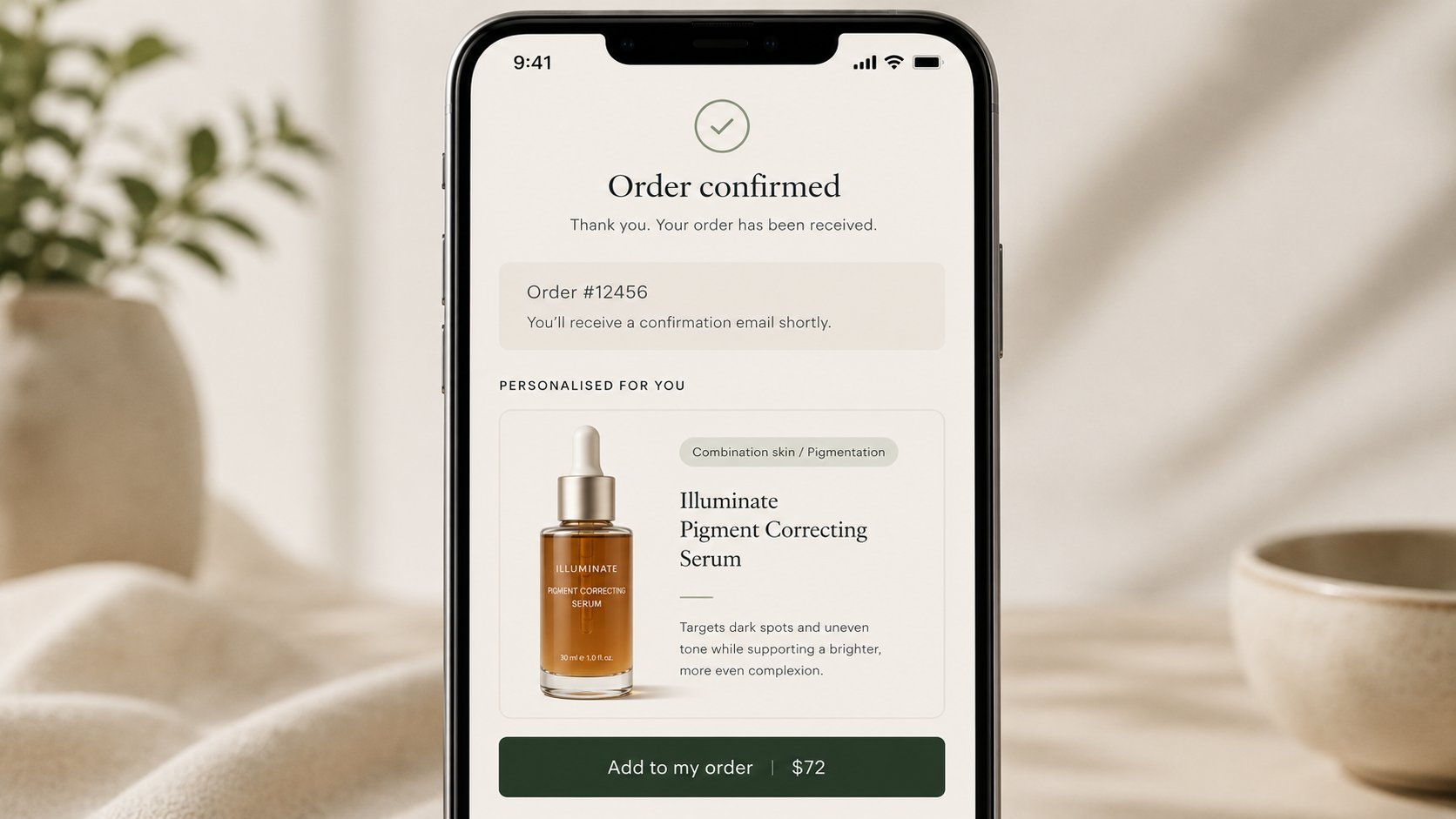
How to Turn Shopify Checkout Into a Personalized Upsell Engine
She had solved the matching problem. Six weeks after launching the quiz, the founder in Pune was looking at a return rate that had dropped from 14 pe
Read More
The Customer Who Knew More Than Your Algorithm Ever Could
She ran a clean beauty brand out of Pune. Three years in, and her ad creative had finally found its rhythm. Her CPCs were down, her conversion rate wa
Read More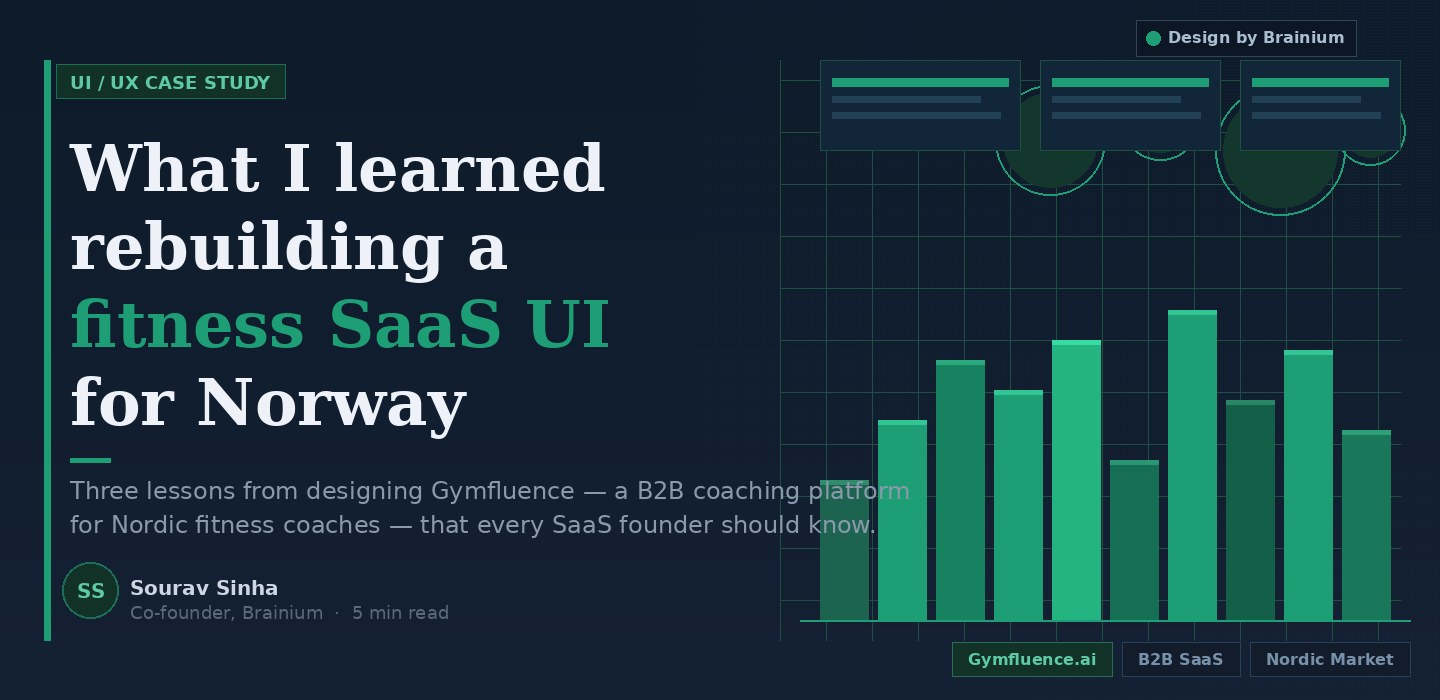
What I Learned from Rebuilding a Fitness SaaS UI for a Norway Client
A few months ago, Brainium completed a UI/UX design engagement for Gymfluence, a B2B SaaS coaching platform built for the Nordic market. Our mandate
Read More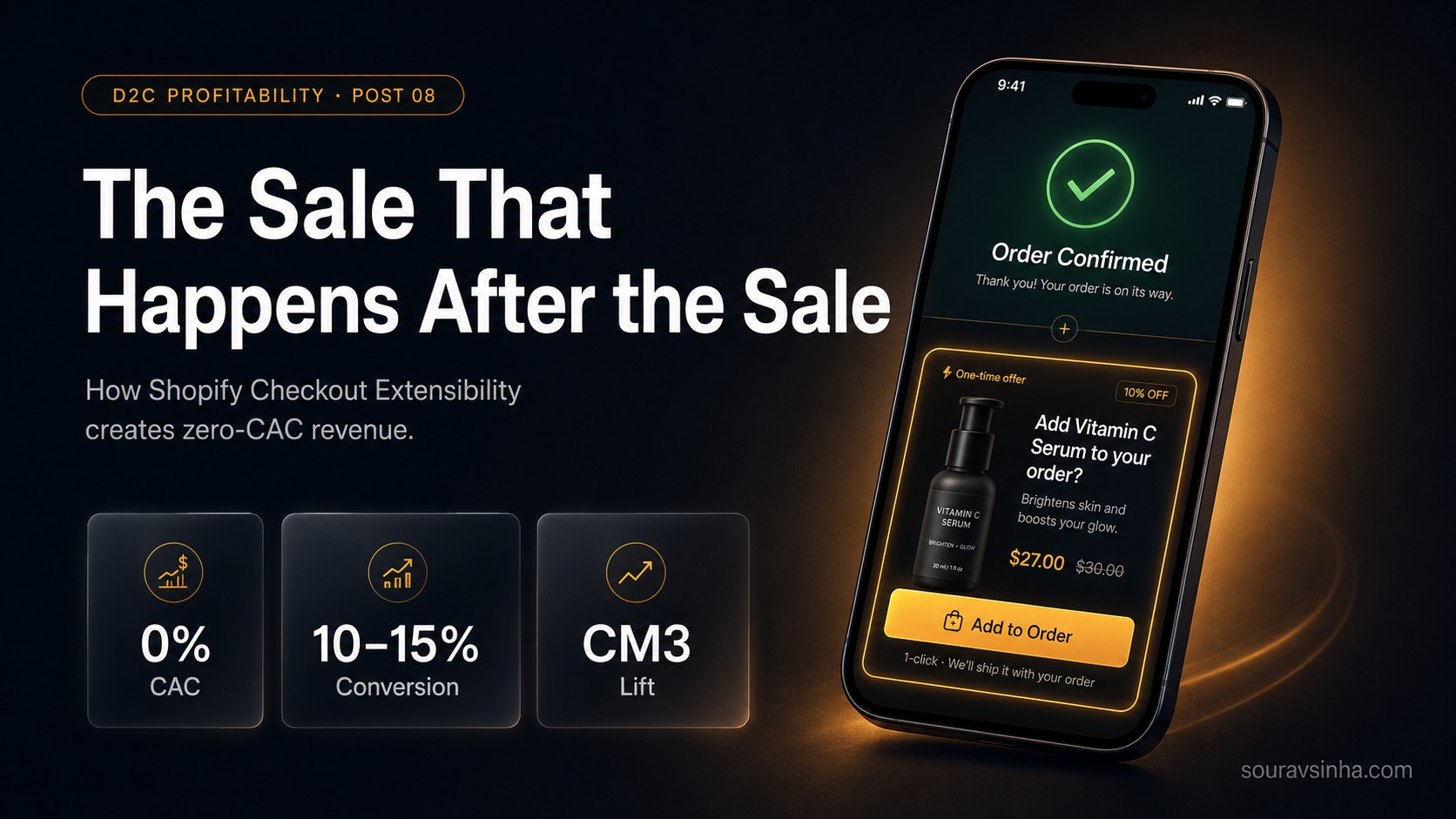
The Sale That Happens After the Sale
He had the creative dialed in. Three years running a skincare brand out of Bengaluru, and he had finally cracked the short-form video formula that bi
Read More
The Night I Mapped Three Versions of My Life
I almost skipped it. It was late. Long day of calls. A few decisions I wasn't fully happy with. The usual pile of things that quietly move to tomorro
Read More