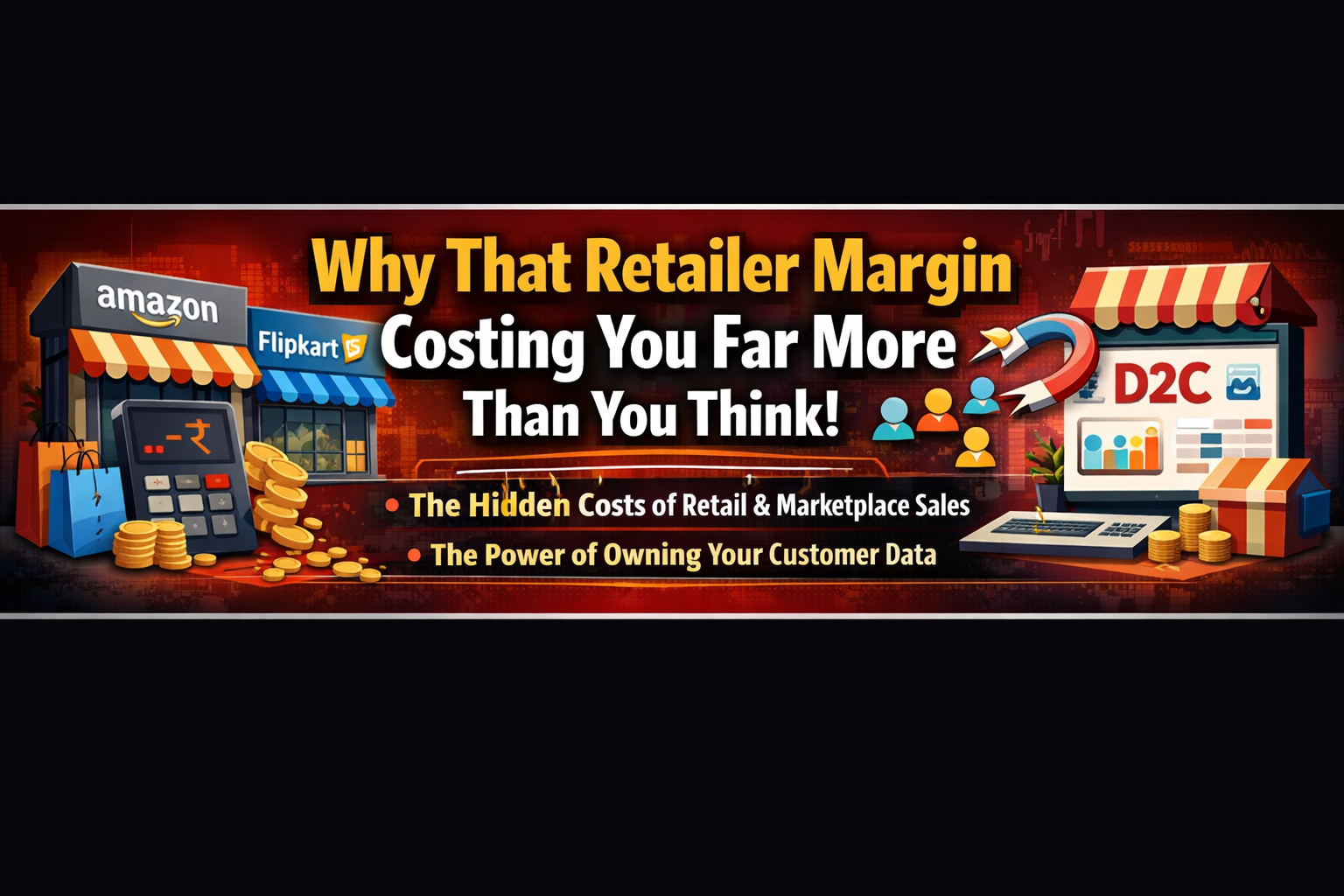
Why That Retailer Margin Is Costing You Far More Than You Think.
A few weeks ago I was on a call with a founder.
Smart person. Passionate about the product. Running a niche FMCG business that genuinely deserved to be bigger than it was. Selling through offline retailers and on Amazon and Flipkart. Decent volumes. Growing steadily.
I asked him if he had thought about building his own online store.
There was a pause.
Then he said something that I have been thinking about ever since.
“Sourav, if I go direct, what will my retailers think?”
I understood the fear immediately. Retailers are relationships. They are people you have built trust with over years. You do not want to upset them. You do not want to be seen as going behind their back. In India especially, that relationship feels sacred. You protect it.
But here is what I wanted to tell him. And what I am going to tell you today.
That fear is costing you far more than you realise.
The Margin You See. And The Margin You Don’t.
When you sell through a retailer, you see the margin you give away very clearly. It is right there on the invoice. You know exactly what you charged the retailer and what the product will sell for on the shelf. That gap is visible. Painful sometimes, but visible.
When you sell on Amazon or Flipkart, same thing. The platform fee, the fulfilment cost, the advertising spend to get discovered. All visible. All accounted for.
What you do not see is the invisible cost.
Every time a customer buys your product from a retailer or a marketplace, that customer belongs to the platform. Not to you. Amazon knows who bought your product. Flipkart knows. Your retailer has a relationship with the customer who walks into their shop. You have none of that.
So the next time that customer wants to buy your product again, what happens?
They go back to Amazon. They search. Maybe they find you. Maybe they find your competitor who is spending more on ads that day. Maybe Amazon’s algorithm has changed and you are now on page two. Maybe there is a new brand with a lower price point sitting right above you.
You have to win that customer all over again. Every single time. At full acquisition cost.
That is the invisible tax. And it compounds every month.
The Math That Changes Everything.
There is a concept in the D2C world called the LTV to CAC ratio. LTV is the total revenue a customer generates over their lifetime with your brand. CAC is what it costs you to acquire that customer in the first place.
For years the rule of thumb was 3:1. Spend one rupee acquiring a customer, earn three rupees back over time. That was considered healthy.
In 2026, with platform costs rising, ad costs volatile, and competition for attention more expensive than ever, 3:1 barely keeps the lights on. The brands that are genuinely building something are targeting 5:1 and beyond.
The difference between 3:1 and 5:1 is not just a harder target. It is a completely different way of thinking about your customer.
At 3:1 you are a marketing-led business. You spend to acquire. You hope they come back. You spend again when they don’t.
At 5:1 you own the relationship. You know who your customer is. You know what they bought, when they bought it, and when they are likely to need it again. You talk to them directly. You bring them back at almost zero cost. Your LTV grows without your CAC growing with it.
That is the power of owning your customer.
What I Told The Founder.
I did not tell him to abandon his retailers. That would be naive and frankly bad advice. Retailer relationships have real value, especially in FMCG where shelf presence and local trust matter enormously.
What I told him was this.
Your retailers give you distribution. But they cannot give you data. They cannot give you a direct relationship with the person who uses your product every day. They cannot tell you why someone tried your product once and never came back. They cannot help you build a community around what you are making.
A D2C store does not replace your retailers. It gives you something your retailers cannot. It gives you the customer.
When someone buys directly from your store, you know their name. You have their email. You know what they bought and when. You can send them a personalised message three weeks later. You can tell them about a new variant. You can ask them how they liked it. You can bring them back for a fraction of the cost of finding a new customer.
Over time that relationship is worth multiples of what you earn from a single transaction.
He listened. He asked questions. By the end of the call he was willing to explore.
That was enough for me.
The Real Question.
If you are a founder selling through retailers or marketplaces, I am not asking you to burn those relationships.
I am asking you one question.
Do you know who your customer is?
Not approximately. Not the demographic your retailer serves. The actual person who picks up your product, uses it, and decides whether to come back or not.
If the answer is no, you are building a business on borrowed ground. The platform owns the relationship. You own the product. And every time that customer comes back, you are paying to reach them all over again.
That is not growth. That is a treadmill.
The founders who figure this out early are the ones who build something that lasts. The ones who don’t will keep growing their revenue while wondering why the margins never improve.
Your retailers are not your enemy. But they are not your moat either.
Your customer is your moat. Go own them.
If you are thinking about building your own D2C store, we can help you get started.
Recent Comments
Related blog posts
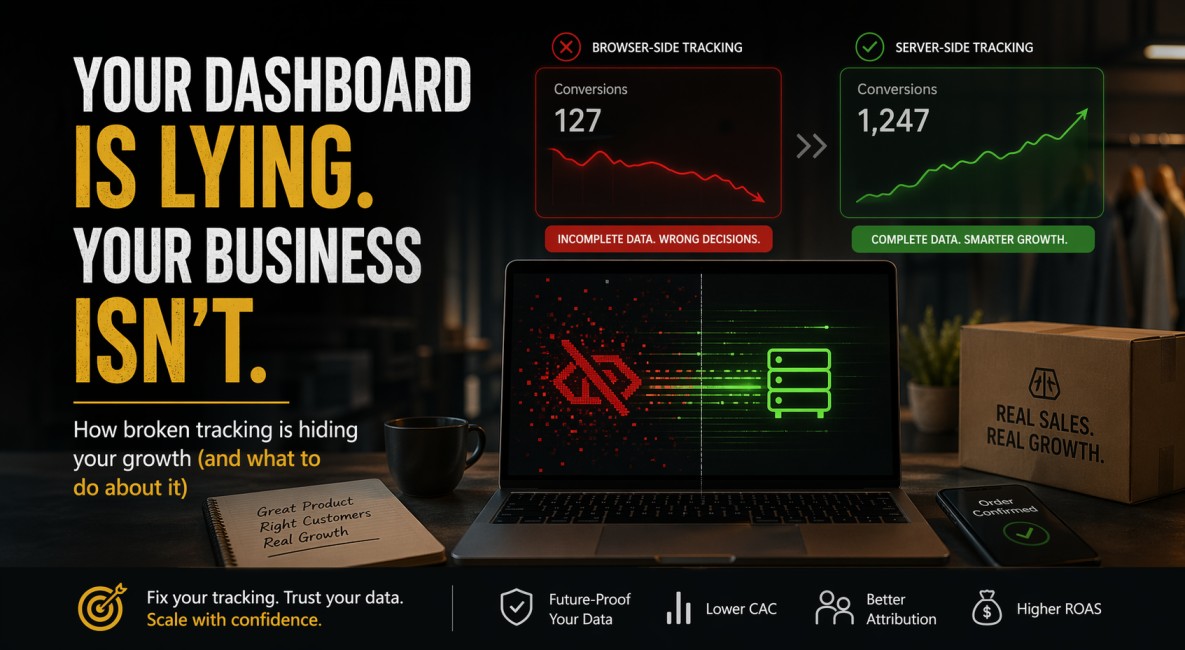
Your Ads Are Lying To You. And You Don’t Even Know It.
I met them at a networking event a few weeks ago. A young couple running a fashion brand. Sharp eye for design. Passionate about their product. The k
Read More
The AI You Were Promised Is Already Obsolete
Let me ask you something. When was the last time you were genuinely surprised by what AI could do? Not impressed. Not curious. Actually surprised. T
Read More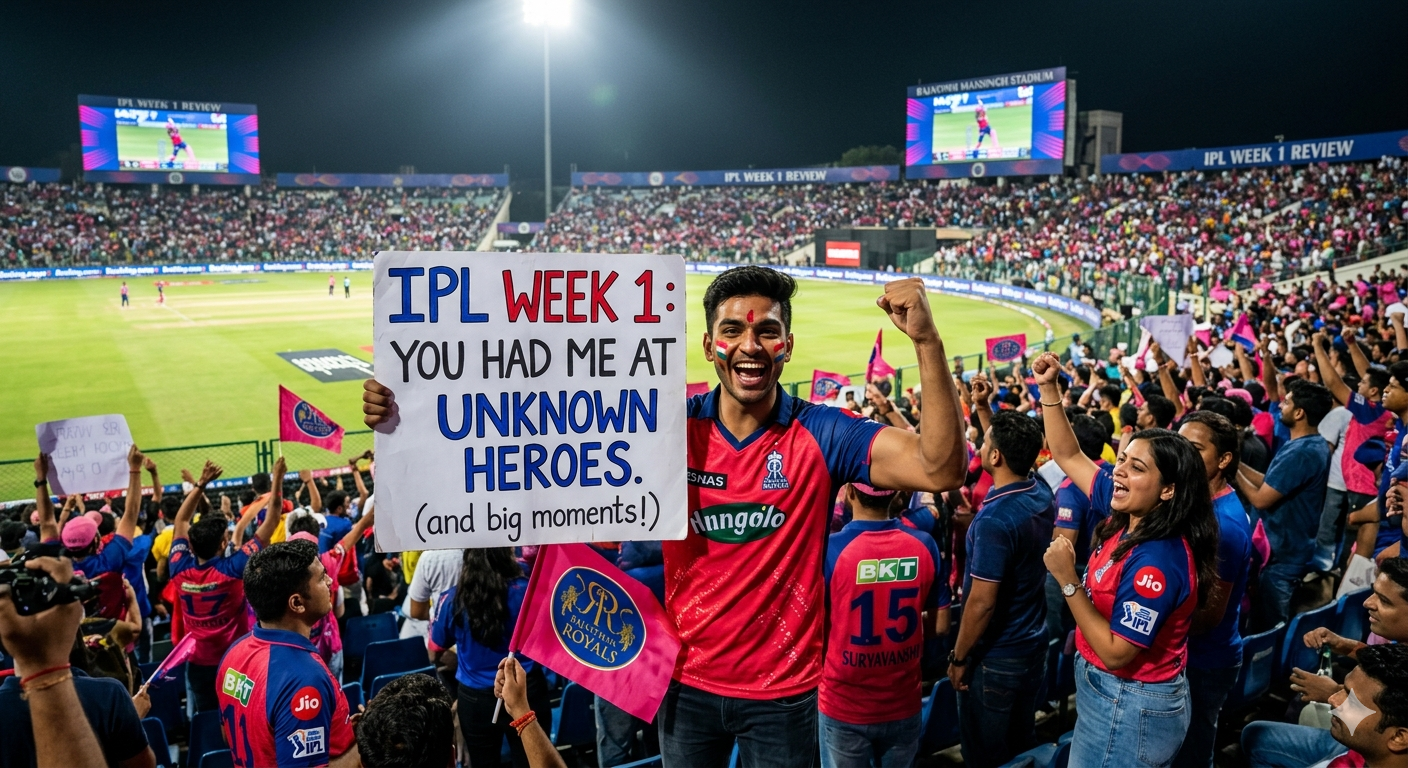
IPL is Back. And Week 1 Has Already Given Us Everything.
Last night, I was barely breathing. Tushar Deshpande. Final over. Gujarat Titans needing 11 runs. Kagiso Rabada on strike. Rashid Khan at the other e
Read More
Collaboration amidst the new normal
Creativity needs collaboration. But Covid-19 has created a massive challenge in this aspect. Let's think of the good part. You no longer need
Read More
Cheap is expensive
What seems cheap is expensive! What’s perceived as expensive actually ends up being cheaper! We talk long term but think short term! I bought a fl
Read More